
10 Mortgage Red Flags to Watch for in the 2026 UAE Market
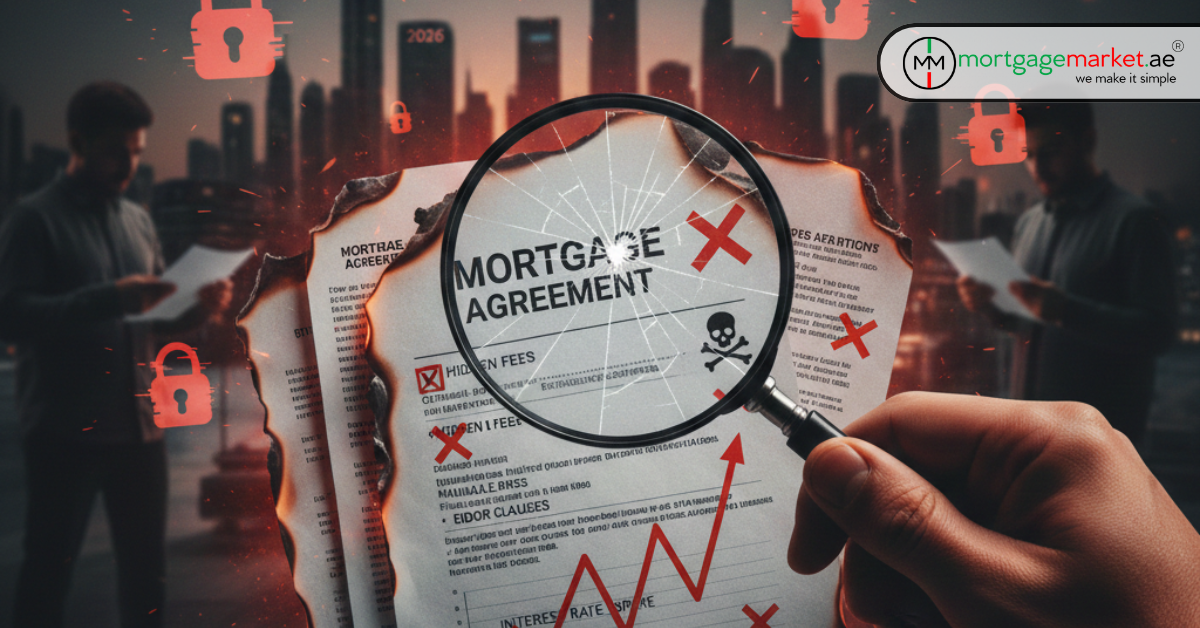
Buying a home in the UAE is exciting, but a risky mortgage can cost you thousands. Watch for these red flags: low interest rates, hidden fees, high-pressure sales, unclear variable rates, complex contracts, low down payments, unreliable lenders, early repayment penalties, overborrowing, and lack of an exit strategy. Compare lenders, read contracts carefully, and plan ahead.
The UAE real estate market continues to evolve in 2026, offering abundant opportunities for property buyers. Whether you’re a UAE national or an expatriate, taking out a mortgage is often necessary to purchase your dream home. However, the wrong mortgage deal can lead to financial strain, unexpected fees, and long-term complications.
Being informed about potential pitfalls is crucial. Here’s a complete guide to the 10 mortgage red flags you need to watch for in the UAE market, along with expert tips to make safe financial decisions.
Hidden Fees and Charges
Some lenders make the monthly payment seem affordable but hide extra costs, including:
-
Processing and administrative fees
-
Insurance requirements
-
Early repayment penalties
These fees can add tens of thousands of dirhams over the life of your mortgage.
Tip: Request a full fee breakdown in writing before committing to a mortgage, including late fees, early settlement penalties, and service charges. Transparency is key.
Overly Complex Terms and Contracts
Complex contracts with legal jargon may hide clauses that work against you. Be cautious of terms like:
-
Prepayment restrictions
-
Early settlement penalties
-
Balloon payments
Tip: Have a qualified lawyer or financial advisor review your mortgage contract. Understanding every clause can prevent costly mistakes.
Low or No Down Payment Options
Mortgages that allow very low or zero down payment may seem attractive, but they often carry hidden risks:
-
Higher monthly payments
-
Mandatory life or property insurance
-
Greater total interest over the loan term
Tip: Aim for a 20–30% down payment. This reduces your risk and demonstrates financial stability to lenders.
Limited Lender Reputation
New or lesser-known banks and financial institutions might offer enticing deals, but they carry risks:
-
Poor customer service
-
Delays in document processing
-
Lack of flexibility for future refinancing
Tip: Always check the lender’s licensing with the UAE Central Bank and read reviews from previous customers. A reputable bank provides stability and reliable service.
Prepayment or Early Settlement Penalties
Some mortgages penalize you heavily for repaying early, which can be a problem if:
-
You plan to sell your property
-
You want to refinance for better rates
-
You receive a bonus or lump sum to pay off the loan
Tip: Opt for mortgages that offer flexible prepayment terms, allowing you to save on interest without incurring penalties. Learn strategies to reduce penalties and make informed refinancing decisions in our blog: Refinancing a Mortgage: Is It the Right Time for UAE Homeowners?.
Overestimating Your Borrowing Capacity
Banks may approve higher mortgages than you can realistically afford. Accepting the maximum loan may:
-
Stretch your monthly budget
-
Limit your ability to handle unexpected expenses
-
Increase stress during economic fluctuations
Tip: Evaluate your monthly income, expenses, and emergency fund before committing. Borrow responsibly, not just what the bank offers.
Lack of a Clear Exit Strategy
A mortgage is a long-term commitment. Without a clear exit plan, you could face challenges if circumstances change. Consider:
-
Resale potential of your property
-
Flexibility to refinance or restructure your loan
-
Planning for relocation or changes in income
Tip: Choose a mortgage that allows options in the future, giving you the ability to adapt without incurring massive penalties.
2026 UAE Mortgage Market Trends to Watch
Understanding market trends can help you avoid risky deals:
-
Interest rates: The Central Bank of UAE monitors inflation and may influence mortgage rates. Expect minor fluctuations throughout 2026.
-
Property prices: Dubai and Abu Dhabi have shown steady growth; buying in emerging neighborhoods may offer better long-term value.
-
Expat-focused loans: Banks increasingly offer tailored mortgages for expatriates, but these may include stricter requirements or higher interest rates.
Being aware of these trends helps you identify lenders or products that could pose hidden risks. For a deeper look at UAE mortgage rates and expert predictions, check out our blog: UAE Mortgage Rates 2026: Expert Interest Rate Forecast & EIBOR Trends.
Actionable Tips for a Safe Mortgage in 2026
-
Compare multiple lenders: Don’t settle for the first offer. Use comparison tools or consult a mortgage advisor.
-
Read the fine print: Check every clause for hidden fees, penalties, and variable rate triggers.
-
Plan for emergencies: Keep an emergency fund equal to at least 3–6 months of mortgage payments.
-
Consider long-term costs: Total interest paid over 20–25 years is more important than short-term savings.
-
Seek professional advice: Financial advisors and real estate consultants can help you make informed decisions.
Final Thoughts
Securing a mortgage in the UAE in 2026 can be smooth and rewarding if you remain cautious, informed, and patient. Watch for these red flags, ask questions, and take your time before committing.
By staying vigilant, you protect yourself from financial pitfalls and ensure that your mortgage aligns with both your current budget and long-term goals.
Remember: A well-researched mortgage is not just a loan—it’s a foundation for your financial stability and property investment success in the UAE.
At Mortgage Market, we help you navigate the UAE mortgage landscape with confidence. Contact us today to compare lenders, review contracts, and secure the mortgage that fits your needs.
Frequently Asked Questions (FAQs) – 2026 UAE Mortgage Market
1. What are the most common hidden fees in UAE mortgages?
Hidden fees can include processing and administrative charges, insurance requirements, and early repayment penalties. Always request a full fee breakdown in writing before committing to a mortgage.
2. Why should I be cautious with complex mortgage contracts?
Complex contracts may hide clauses like prepayment restrictions, balloon payments, or early settlement penalties. Have a qualified lawyer or financial advisor review your contract to avoid surprises.
3. Is a low or zero down payment mortgage a good idea?
While attractive, low- or no-down-payment options often lead to higher monthly payments, mandatory insurance, and more interest over the loan term. A 20–30% down payment is safer and shows financial stability.
4. How do I check a lender’s credibility in the UAE?
Look for banks licensed by the UAE Central Bank, read customer reviews, and assess their track record for service and document processing. A reputable lender offers stability and reliable support.
5. What are prepayment or early settlement penalties?
Some mortgages charge fees if you repay early, which can be a problem if you plan to sell, refinance, or make a lump-sum payment. Choose mortgages with flexible prepayment terms.
6. How can I avoid overborrowing?
Banks may approve loans higher than you can comfortably afford. Always calculate your monthly budget, expenses, and emergency fund before committing, and borrow responsibly.
7. Why is having a mortgage exit strategy important?
A mortgage is a long-term commitment. Planning for resale, refinancing, or changes in income ensures you can adapt without incurring large penalties.
8. How do market trends affect my mortgage decision in 2026?
Interest rate fluctuations, property price growth, and expat-focused loan requirements can all impact costs. Being aware of these trends helps you identify risky products and lenders.
9. What practical steps can I take to secure a safe mortgage?
-
Compare multiple lenders
-
Read the fine print carefully
-
Keep an emergency fund (3–6 months of payments)
-
Consider long-term costs, not just short-term savings
-
Seek advice from financial advisors or real estate consultants
10. Can I secure a mortgage safely in the UAE in 2026?
Yes—with research, caution, and planning, you can secure a mortgage that fits your current budget and long-term goals. Vigilance against red flags is key to avoiding financial pitfalls.


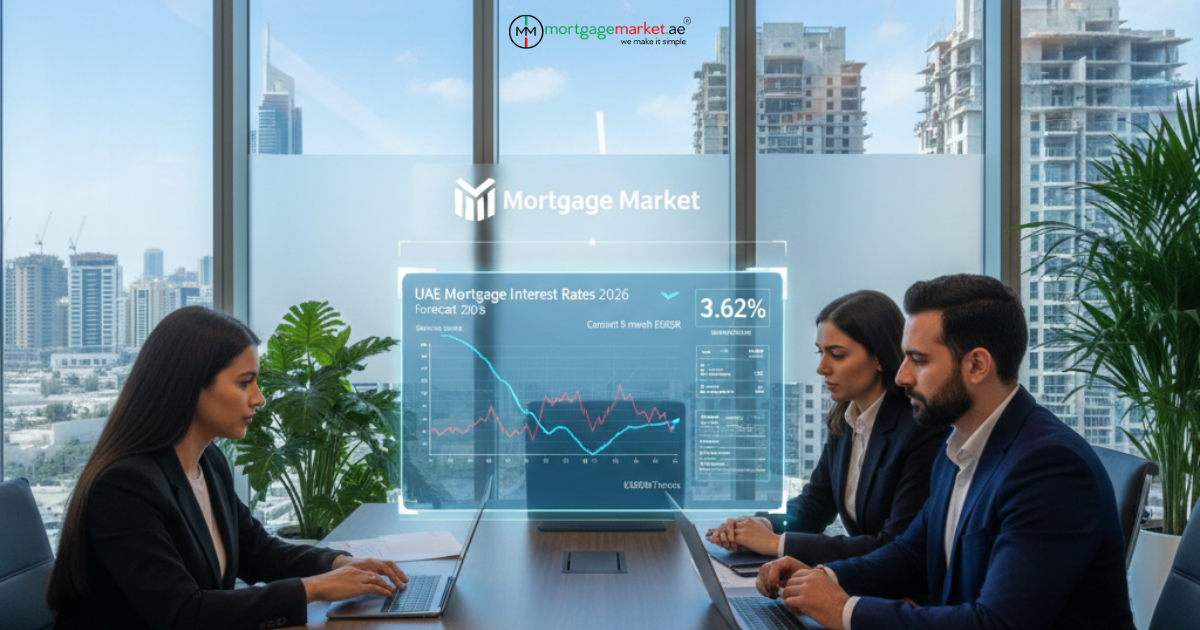
UAE Mortgage Rates 2026: Expert Interest Rate Forecast & EIBOR Trends
Discover the latest UAE mortgage rates in 2026 and how EIBOR.....
Self-Employed in the UAE? 15 Ways to Guarantee Your Mortgage Approval in 2026
Self-employed in the UAE? Getting mortgage approval doesn’t have to be complicated. Discover.....

The main reasons why a mortgage application is rejected
Applying for a mortgage is one of the most significant financial steps in purchasing a.....

EIBOR as on 31 Mar 2026: 1 MONTH: 3.65% | 3 MONTH: 3.66% | 6 MONTH: 3.71% | 1 YEAR: 3.91%