
How a Mortgage Works in Dubai, Part by Part
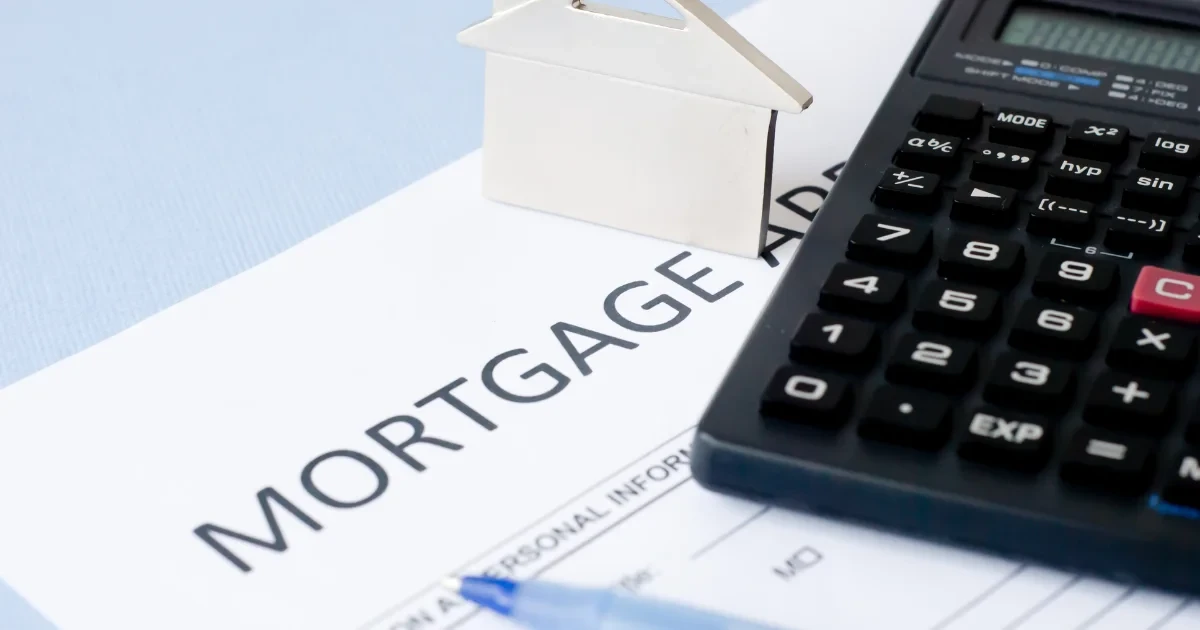
A mortgage in Dubai functions by allowing you to purchase a property with a minimum 20% deposit while a bank finances the remainder, using the home as security over a repayment term of up to 25 years. Your monthly instalments blend principal and interest—shifting over time from heavier interest allocations to faster principal reduction. Whether opting for a conventional interest-based loan or a Sharia-compliant Islamic alternative, understanding these core mechanisms, fixed versus variable rates, and leveraging expert broker guidance ensures you secure the most cost-effective financing for your home.
A mortgage in Dubai works by letting you buy a home now and pay for it over time, using the property itself as security for the loan. You pay a deposit upfront, the bank lends you the rest, and you repay that amount plus interest in fixed monthly instalments over a term of up to 25 years. Until the loan is fully repaid, the bank holds a legal claim over the property, which is released once you clear the balance. Each monthly payment covers part of the interest and part of the amount you borrowed, so your debt shrinks over time while your ownership grows. In the UAE, residents can borrow up to 80% of a home's value and non-residents less. Understanding how a mortgage works in Dubai, from the deposit to the final payment, helps you see exactly what you are agreeing to before you sign.
How a Mortgage Works in Dubai: The Parts
A mortgage is made of a few working parts, and seeing how they fit together makes the whole thing clear. The table breaks down each one.
| Part | What it means |
|---|---|
| Principal | The amount you borrow (price minus deposit) |
| Interest or profit | What the bank charges for lending |
| Term | The years you take to repay, up to 25 |
| Security | The property, which the bank can claim |
Each monthly payment blends principal and interest into one fixed figure. Because these parts work together, understanding each one shows you exactly how your mortgage functions month to month.
How Repayment Actually Works
Repayment follows a clear pattern over the life of the loan, and knowing it removes the mystery.
Interest First, Then Principal
In the early years, most of each payment goes toward interest and only a little toward the principal, which is why your balance falls slowly at first and faster later on.
The Balance Shrinks to Zero
As the years pass, more of each payment chips away at the principal, until the final payment clears the loan entirely and the bank releases its claim on your home.
Because repayment shifts from mostly interest to mostly principal over time, understanding the pattern explains why early overpayments save so much.
Fixed Versus Variable Rates
How your interest is charged shapes your payments, and there are two main types. A fixed rate stays the same for an agreed period, often one to five years, so your payment is predictable and protected from rises. A variable rate moves with the market, usually tied to a benchmark called EIBOR, so your payment can go up or down over time. Many UAE buyers start on a fixed rate for certainty, then move to variable later. Neither is always better; it depends on your plans and the market. Because the rate type decides whether your payment is steady or changing, choosing the right one is a key part of how your mortgage works for you.
A Simple Example
An example shows how the parts come together. Say you buy a home for AED 1 million and pay a 20% deposit of AED 200,000. The bank lends the remaining AED 800,000, which is your principal, and you agree a 25-year term. Each month you pay a fixed amount that covers interest on the balance plus a slice of the principal. Early on, more of that payment is interest; later, more is principal. Over the term, you repay the AED 800,000 plus total interest, and once the last payment clears, the home is fully yours. The exact monthly figure depends on the rate, which a calculator can estimate. Because a worked example ties the deposit, principal, interest, and term together, it makes the whole mechanism easy to picture.
What Makes a Mortgage Work for You
For a mortgage to work smoothly, a few things need to line up:
-
A deposit of at least 20% as a resident, more for non-residents
-
A stable income that comfortably covers the monthly payment
-
A clean credit record the bank can check
-
A property a bank is willing to lend against
-
A rate and term that keep the payment affordable
Because a mortgage only works when these pieces fit, checking them early is the key to a smooth approval.
Conventional and Islamic Mortgages
UAE buyers can choose how their mortgage works, and both main types reach the same goal. A conventional mortgage charges interest on the amount you borrow, which can be fixed or variable. An Islamic mortgage avoids interest, which is not permitted under Sharia, and instead uses an Islamic structure where the bank buys the property and either leases it to you or sells it to you at an agreed profit. Both leave you owning the home after regular payments, and both are widely available as a home loan in UAE. Buyers often ask whether a mortgage is halal; the Islamic option exists precisely to offer a Sharia-compliant route. Because you can choose conventional or Islamic, understanding both lets you pick the structure that fits your beliefs and budget.
Why Understanding the Mechanism Helps
Knowing how a mortgage works puts you in a stronger position:
-
You can spot a fair rate and term from a poor one
-
You understand why overpaying early saves the most interest
-
You know what a bank checks for eligibility, so you prepare right
-
You can compare offers on real cost, not just headline rate
-
You avoid surprises over fees, penalties, or rate changes
Because an informed buyer makes better choices, understanding the mechanism protects your money.
Where a Broker Fits In
Knowing how a mortgage works is one thing; getting the best one is another, and this is where a broker helps. Because rates, terms, and rules differ across banks, the same buyer can be offered very different deals, and comparing them alone takes real time. A broker compares the whole market, explains how each option works for you, and matches you to the lender at the best real cost. We handle the paperwork and manage the process from application to completion. Because understanding the mechanism is only useful if you also get a good deal, having an expert compare the market turns knowledge into savings.
Understand Your Mortgage With Confidence
Getting to grips with how a mortgage works is far easier with an expert beside you. mortgagemarket.ae has arranged home finance across the UAE for over 15 years, with more than 1,000 clients financed and over AED 3 billion in mortgages arranged, so we explain every part of how your mortgage works in plain language. Our advisors compare conventional and Islamic options across every major bank, show you how each would work for your budget, and arrange the one that fits. Get a free, no-obligation review and see exactly how your mortgage would work.
Speak to Our Mortgage Experts
Talk to an advisor on 800-FINANCE (8003462623) in the UAE, on +971 50 797 1760 from abroad, or by email at info@mortgagemarket.ae.
Frequently Asked Questions
1. How does a mortgage work in Dubai?
You pay a deposit, the bank lends the rest, and you repay it plus interest in fixed monthly instalments over up to 25 years — using the property as security. Each payment covers some interest and some principal, so your debt shrinks and your ownership grows. Once the loan is fully repaid, the bank releases its claim and the home is entirely yours.
2. What is a mortgage in simple words?
A mortgage is a loan to buy a home that you repay over many years, where the home itself is the security. If you stop paying, the bank can claim the property. In return, you get to live in and own a home now instead of saving its full price first, paying it off gradually in monthly instalments.
3. Is a mortgage halal in the UAE?
A conventional mortgage charges interest, which is not permitted under Sharia. For buyers who want a compliant option, UAE banks offer Islamic mortgages that avoid interest — the bank buys the property and either leases it to you or sells it at an agreed profit. Both leave you owning the home, so a Sharia-compliant route is available.
4. Why is most of my early payment interest?
Because interest is charged on the outstanding balance, which is highest at the start. So early payments are mostly interest and only a little principal, and the balance falls slowly at first. As the balance drops, more of each payment goes to principal. This is why overpaying early — when the balance is high — saves the most interest.
5. What is the difference between fixed and variable rates?
A fixed rate stays the same for an agreed period (often one to five years), so your payment is predictable. A variable rate moves with the market, usually tied to EIBOR, so your payment can rise or fall. Many buyers start fixed for certainty, then move to variable. Neither is always better — it depends on your plans and the market.

What Is a Mortgage in Real Estate?
In real estate, a mortgage is a secured loan used to buy property where the.....
How Much Mortgage Can I Get in Dubai?
How much mortgage you can get in Dubai is determined by two main factors: your.....

UAE Mortgage Rates 2026: Expert Interest Rate Forecast & EIBOR Trends
Discover the latest UAE mortgage rates in 2026 and how EIBOR.....
Self-Employed in the UAE? 15 Ways to Guarantee Your Mortgage Approval in 2026
Self-employed in the UAE? Getting mortgage approval doesn’t have to be complicated. Discover.....

The main reasons why a mortgage application is rejected
Applying for a mortgage is one of the most significant financial steps in purchasing a.....

EIBOR as on 31 Mar 2026: 1 MONTH: 3.65% | 3 MONTH: 3.66% | 6 MONTH: 3.71% | 1 YEAR: 3.91%