
How Much Deposit Is Required for a Mortgage in the UAE
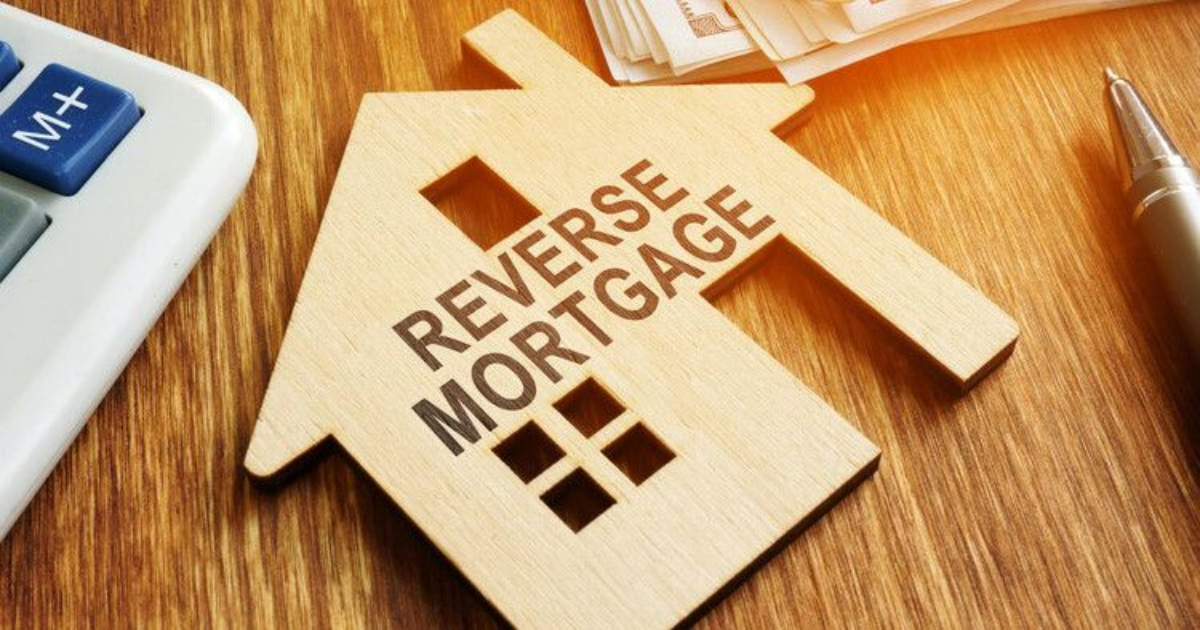
A reverse mortgage allows older homeowners to turn home equity into cash without making monthly payments, with the loan repaid later upon selling the home, moving out, or passing away. However, because true reverse mortgages are rare in the UAE, most local homeowners seeking to release equity choose a standard refinance or equity-release top-up instead. Exploring these more common UAE alternatives with an expert broker ensures you find a practical, cost-effective way to unlock your property's value.
How much deposit is required for a mortgage in the UAE depends on who you are and what you are buying, but most residents need at least 20% of the property's value as a down payment. UAE Central Bank rules set the minimum: for a first home under AED 5 million, residents pay a 20% deposit, while non-residents usually need around 40-50%. The deposit is the cash you pay upfront, and the bank lends the rest, so on a AED 1 million home a resident would put down about AED 200,000. Second homes, higher-priced properties, and off-plan purchases all require larger deposits. mortgagemarket.ae helps buyers work out exactly how much deposit they need and find the bank that fits their budget. Knowing how much deposit is required for a mortgage before you start looking means you shop for a home you can genuinely afford, without any nasty surprises at the final step.
Minimum Deposit by Buyer and Property Type
The deposit you need is not one fixed number; it changes with your residency and the property. The table shows the typical minimum deposits in the UAE.
| Buyer or property | Typical minimum deposit |
|---|---|
| Resident, first home under AED 5m | 20% |
| Resident, home over AED 5m | 30% |
| Resident, second property | 40% |
| Non-resident | 40-50% |
| Off-plan property | Often 50% |
Because your deposit depends on these factors, checking which band you fall into is the first step to planning your purchase.
How Much Deposit Is Required for a Mortgage, and Why It Varies
The minimum deposit is set by rules and by risk, and understanding why helps you plan. The UAE Central Bank sets loan-to-value limits, which cap how much a bank can lend against a property, so the rest must come from your deposit. First-time resident buyers get the most generous limits, while non-residents and second-home buyers face higher deposits because banks see them as higher risk. More expensive homes and off-plan purchases also need larger deposits for the same reason. Your own profile, such as income and credit history, can affect the final terms too. Because the deposit reflects both regulation and risk, knowing where you stand helps you set a realistic savings target.
Deposits for Different Situations
The rules shift depending on your buyer type, so it helps to see how they apply to you.
First-Time Resident Buyers
If you are a UAE resident buying your first home under AED 5 million, you will usually need a 20% deposit, the lowest band available, which makes a first purchase the most accessible.
Non-Residents and Second Homes
Non-resident buyers and residents buying a second property face higher deposits, often 40% or more, so planning a larger down payment is essential before you start viewing.
Because your situation sets your deposit band, matching your savings to the right band keeps your home search realistic.
How Your Deposit Affects the Mortgage
The size of your deposit does more than meet the minimum; it shapes the whole loan. A larger deposit means you borrow less, so your monthly repayments are lower and you pay less interest over the life of the mortgage. It can also unlock better rates, because banks see a bigger deposit as lower risk and often reward it with sharper pricing. On a AED 1.5 million home, for example, putting down 25% instead of the minimum 20% cuts your loan by AED 75,000 and lowers every future repayment. If you can comfortably save more than the minimum, doing so often pays off over the years. Treating your deposit as a lever on the total cost, not just a hurdle to clear, can save you real money long term.
Costs Beyond the Deposit
The deposit is the biggest upfront cost, but it is not the only one, and budgeting for the extras prevents a shortfall. The table shows the main additional costs.
| Cost | Typical amount |
|---|---|
| Dubai Land Department transfer fee | 4% of the property price |
| Property valuation fee | Charged by the bank |
| Mortgage registration fee | A small percentage of the loan |
| Agency commission | Often around 2% of the price |
| Bank arrangement fee | Varies by lender |
Planning for these costs on top of your deposit is the difference between a smooth purchase and a last-minute scramble for cash.
How to Save and Plan Your Deposit
A clear savings plan turns a large deposit into a reachable goal. A few practical steps make it easier:
-
Work out your exact deposit band from the price and buyer type
-
Add the extra costs above to set your true upfront figure
-
Use a mortgage calculator to test prices and their deposits
-
Clear small debts to free income and improve your borrowing power
-
Set a firm target and save toward it steadily each month
Setting a realistic deposit goal early, and saving toward it steadily, is the surest way to reach your purchase without delay.
Can You Buy With a Smaller or Zero Deposit
Many buyers ask whether they can avoid a large deposit, and it is worth being clear. UAE rules require a minimum deposit, so a genuine zero-deposit mortgage on the property itself is not available from banks. Some developers advertise low or no down-payment offers on off-plan projects, but these usually spread the cost through a payment plan rather than removing it. The deposit is a rule set by the Central Bank to keep lending sound, so it cannot simply be skipped. What a broker can do is find the bank offering the lowest deposit for your situation, arrange a pre-approval, and help you plan the rest. Understanding that the deposit is required, but can be planned for, keeps your expectations realistic and your purchase on track.
Plan Your Mortgage Deposit With Confidence
Working out your deposit is far easier with an expert who knows the rules inside out. mortgagemarket.ae has guided UAE buyers through property finance for over 15 years, with more than 1,000 clients financed and over AED 3 billion in mortgages arranged, so we know exactly what deposit each bank and situation needs. Our relationship managers confirm your deposit band, check eligibility, find the lender that fits your budget, and map out your full upfront costs, so nothing catches you out. Want to know your exact deposit? Get a free, no-obligation review of your numbers and start your home search with clarity.
Speak to Our Mortgage Experts
Talk to a broker on 800-FINANCE (8003462623) in the UAE, on +971 50 797 1760 from abroad, or by email at [email protected].
Frequently Asked Questions
1. How much deposit do I need for a mortgage in the UAE?
Most residents need at least 20% of the property value for a first home under AED 5 million. Homes over AED 5 million need 30%, second properties around 40%, and non-residents usually 40-50%. Off-plan purchases often need about 50%. Your exact deposit depends on your residency, the price, and the property type.
2. Why do non-residents need a bigger deposit than residents?
Banks treat overseas lending as higher risk, so the UAE's loan-to-value limits allow them to lend a lower percentage to non-residents — meaning a bigger deposit, often 40-50%. Residents buying their first home get the most generous limits at 20%. The rules exist to keep lending sound, and a broker can find the lender with the best terms for you.
3. Is there a zero-deposit mortgage in Dubai?
Not a genuine one. UAE Central Bank rules require a minimum deposit, so banks cannot offer a true zero-deposit mortgage on the property. Some developers advertise low or no down-payment off-plan offers, but these usually spread the cost through a payment plan rather than removing the deposit. A broker can find the lowest-deposit option for your situation.
4. What other costs come on top of the deposit?
Beyond the deposit, budget for the 4% Dubai Land Department transfer fee, a bank valuation fee, a mortgage registration fee, agency commission (often around 2%), and bank arrangement fees. Together these can add several percent to your upfront cost, so planning for them alongside the deposit prevents a last-minute shortfall.
5. Does a bigger deposit get me a better mortgage rate?
Often, yes. A larger deposit means you borrow a smaller share of the value, which banks see as lower risk and frequently reward with a sharper rate. It also lowers your monthly repayments and the total interest you pay. If you can comfortably put down more than the minimum, it usually saves money over the life of the loan.

How to Get a Home Loan in Dubai, Step by Step
Planning to get a home loan in Dubai? Discover the complete step-by-step journey—from checking your.....


UAE Mortgage Rates 2026: Expert Interest Rate Forecast & EIBOR Trends
Discover the latest UAE mortgage rates in 2026 and how EIBOR.....

Self-Employed in the UAE? 15 Ways to Guarantee Your Mortgage Approval in 2026
Self-employed in the UAE? Getting mortgage approval doesn’t have to be complicated. Discover.....

The main reasons why a mortgage application is rejected
Applying for a mortgage is one of the most significant financial steps in purchasing a.....

EIBOR as on 31 Mar 2026: 1 MONTH: 3.65% | 3 MONTH: 3.66% | 6 MONTH: 3.71% | 1 YEAR: 3.91%